Crete is the largest island in Greece and the fifth largest in the Mediterranean. It stretches 260 kilometers from end to end and was the center of the Minoan civilization —the earliest in Europe, dating back to 2000 B.C.
It is a self-sufficient island with extensive production of olive oil, citrus fruits, and livestock products. Its Mediterranean climate and excellent weather conditions allow for outdoor activities throughout the year.
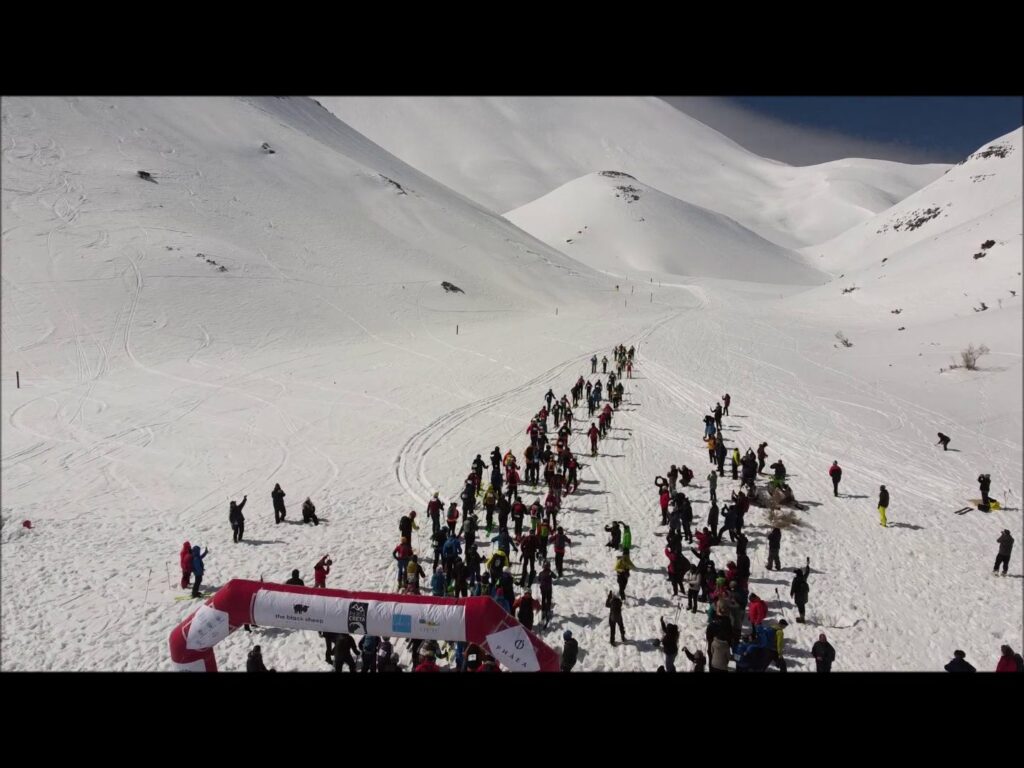
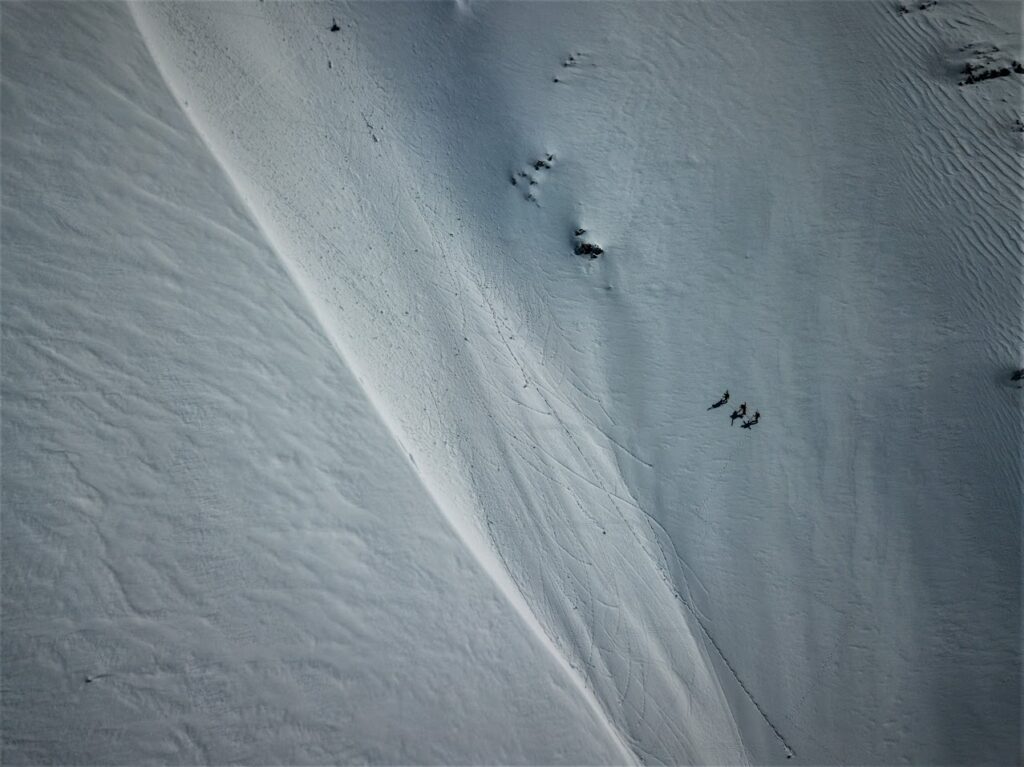
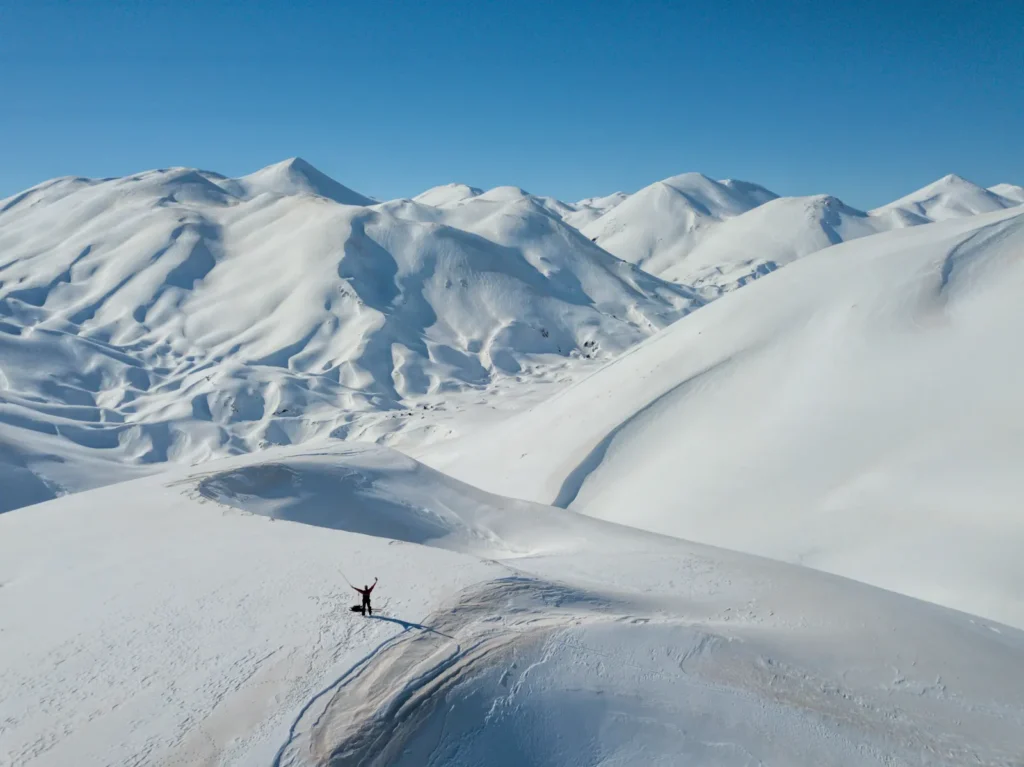
In winter, the average temperature is around 15°C, with occasional rainfall but more than 300 days of sunshine annually. The island’s two high mountain ranges attract the low-pressure systems forming over Western Europe, and when combined with the cold air masses descending over the Aegean Sea and gathering moisture, the result is explosive. The moisture-filled clouds hit the cold mountain slopes, which act as a barrier, and the snowfall can be very heavy. Quite often, there is snow in Crete even when there is none in the rest of Greece.
Crete has four major cities —Chania, Rethymno, Heraklion, and Agios Nikolaos —all worth visiting even in winter, as the island remains lively, with over 500,000 permanent residents. Chania is the most beautiful and picturesque, surrounded by the island’s richest natural landscapes and the highest mountains. On its southern side, you’ll find the coastal path, an incredible hiking experience even in winter.
Rethymno is equally charming, while Heraklion is a more industrial city and not ideal for accommodation. The island’s two airports are located in Chania and Heraklion, with some direct flights from Heraklion to various European destinations during the winter months.