It has only been thirty years since tourism started in Crete. There were rented rooms and tourist businesses earlier as well, but few people lived exclusively from tourism. Today things have completely reversed and now a very large percentage of the population is involved in tourism, and many of them benefit more from it. As a result, in the winter the island does not change its face, as the permanent residents exceed 600,000 and life goes on even without tourism. Like in the old days. Many tavernas and generally shops remain open all year round. It is clearly quieter but still quite lively, and everything functions normally.
The weather is relatively mild with an average temperature of 15 degrees Celsius and plenty of sunshine. The wind is not bothersome and is usually from a northern direction without strong intensity. It rains a lot in December, January, and February, while from March onwards the weather begins to improve. Swimming in the sea is possible all year round. During the spring the water is colder, around 16–17 degrees. Especially in southern Crete, as the mountains are closer to the sea. The relative humidity is increased in the winter, but generally the cold is something you don’t feel intensely in Crete.
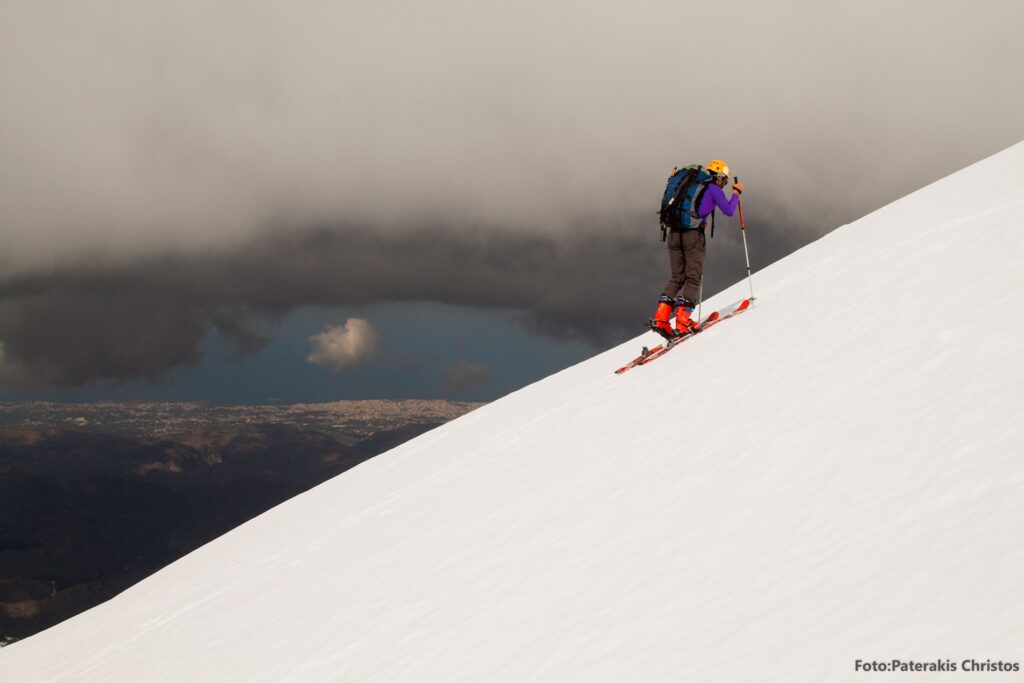
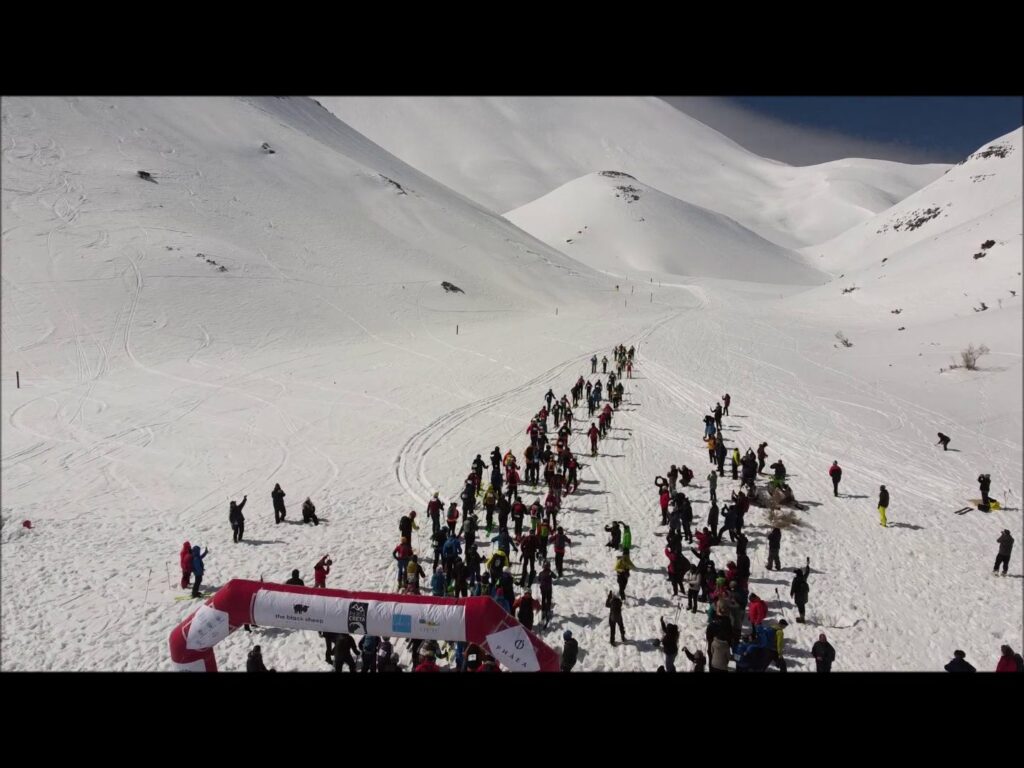
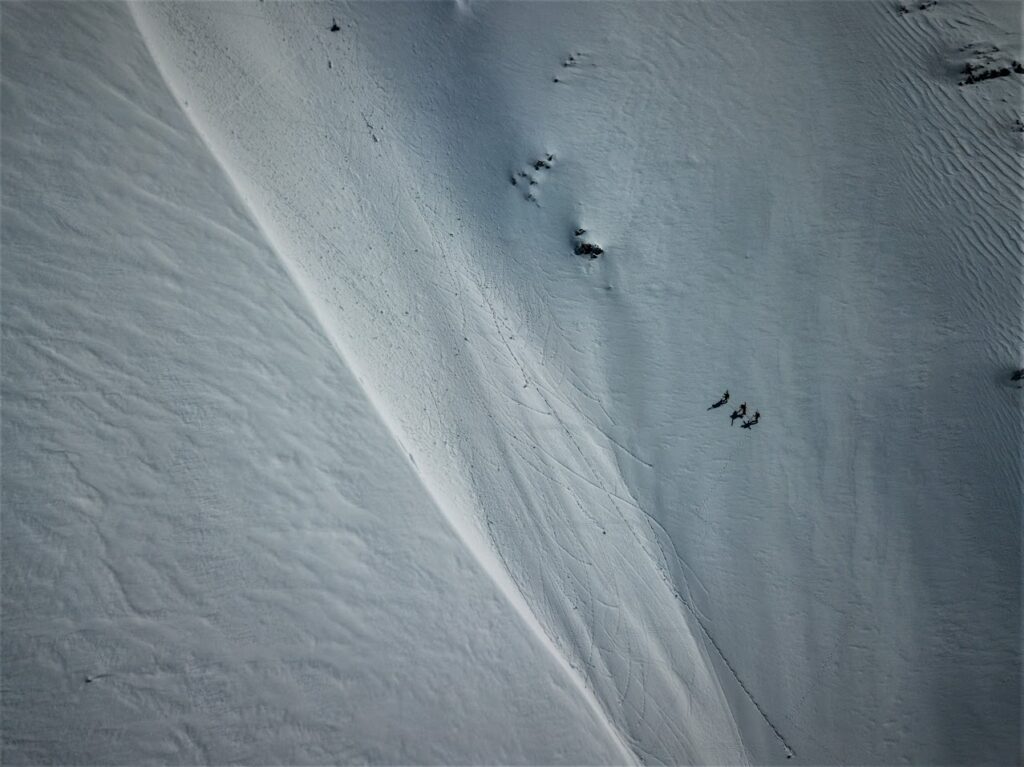
During the winter it is ideal for hiking in southern Crete, where in the summer the high temperatures do not allow it. Some accommodations may be closed in the south, but in the central villages you will find places to eat and sleep. In the winter you will always find snow in Crete, as the high mountains, with an altitude of 2453 m, always hold snow. The forest roads take you quite high, and so it is almost impossible not to find snow for skiing in Crete.
The big surprise is the microclimate created by the mountains in Crete. On the mountain it may be zero degrees, and returning to the cities near the sea it may be sunny with 15–17 degrees. When the winter is harsh in Crete the snow starts at 800 m altitude and stays on the mountains until late spring.